Arjuna Visada Yoga

The Bhagavad Gita begins with the scene on the battlefield of Kurukshetra. Arjuna, the great warrior, requests Krishna to position his chariot between the two armies. Seeing his relatives, teachers, and friends in the opposing army, Arjuna becomes overwhelmed with grief and moral dilemma.
Key Teachings
- The nature of emotional attachment and its consequences
- The initial stage of spiritual awakening through crisis
- The conflict between duty and emotional bonds
Sankhya Yoga

Krishna begins His divine discourse by explaining the eternal nature of the soul and the temporary nature of the body. He introduces fundamental spiritual concepts and explains why Arjuna must perform his duty as a warrior while maintaining spiritual awareness.
Key Teachings
- The immortality of the soul (Atman)
- The nature of duty and righteous action
- The principles of spiritual knowledge
Karma Yoga
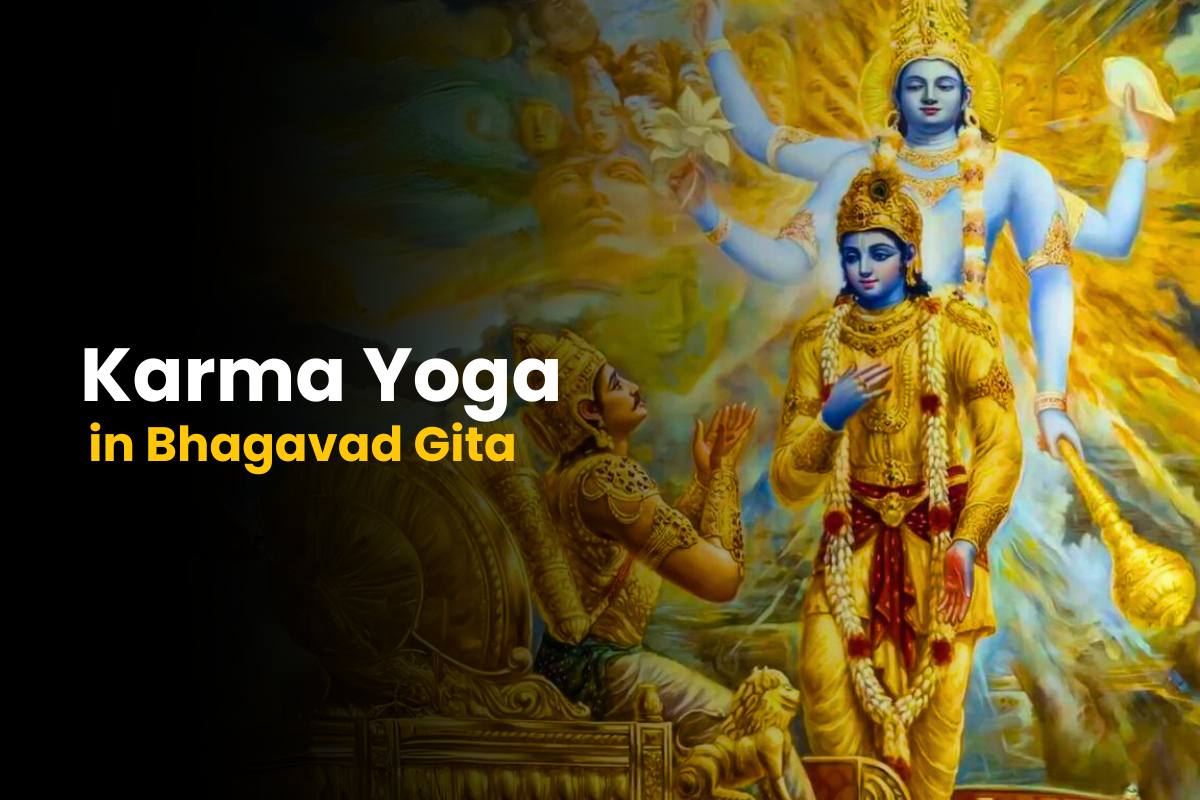
In this chapter, Krishna explains the concept of Karma Yoga, the yoga of selfless action. He emphasizes the importance of performing one's duty without attachment to the results.
Key Teachings
- The importance of performing duty without attachment
- How to work in harmony with the world and the divine
- The relationship between action and the results
Jnana Karma Sanyasa Yoga

Krishna explains how true knowledge (Jnana) and selfless action (Karma) lead to liberation. He highlights the importance of understanding the difference between the physical and the eternal self, and how knowledge of the truth removes the bondage of karma.
Key Teachings
- The power of knowledge in freeing oneself from attachment
- The role of spiritual wisdom in understanding the nature of the self
- The necessity of renouncing the fruits of action
Karma Sanyasa Yoga
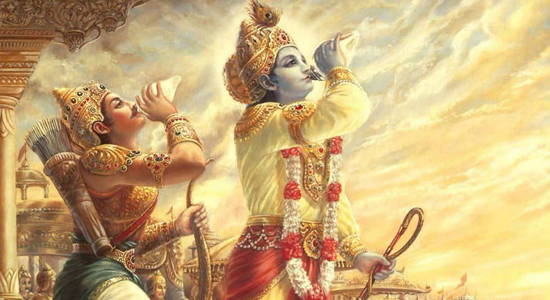
This chapter discusses renunciation (Sanyasa) and how it relates to selfless action. Krishna explains that one who renounces the fruits of action but continues to perform their duties is truly free from the cycle of karma.
Key Teachings
- The difference between renouncing actions and renouncing desires
- The importance of equanimity in performing duties
- The connection between renunciation and the attainment of peace
Dhyana Yoga

Krishna elaborates on the practice of meditation (Dhyana) and how it helps in controlling the mind. Through disciplined meditation, one can achieve self-realization and union with the divine.
Key Teachings
- The importance of meditation for controlling the mind
- How to practice mindfulness and focus
- The connection between meditation and inner peace
Jnana Vijnana Yoga
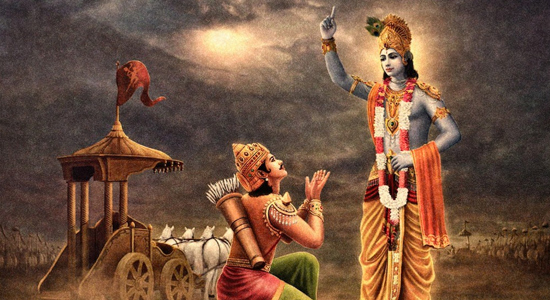
In this chapter, Krishna discusses the knowledge (Jnana) of the ultimate truth and the wisdom (Vijnana) that comes with realizing the nature of the divine. He explains how this knowledge helps one transcend the material world.
Key Teachings
- The difference between intellectual knowledge and spiritual wisdom
- The relationship between the divine and the material world
- The importance of knowing the Supreme to reach liberation
Aksara Brahma Yoga
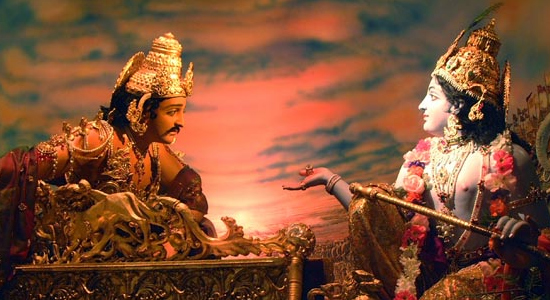
Krishna reveals the nature of the imperishable Brahman and the process of attaining liberation after death. He explains how the soul transcends the physical world and merges with the eternal.
Key Teachings
- The nature of the imperishable soul
- The importance of remembering the divine at the time of death
- The path to liberation through devotion and knowledge
Raja Vidya Raja Guhya Yoga
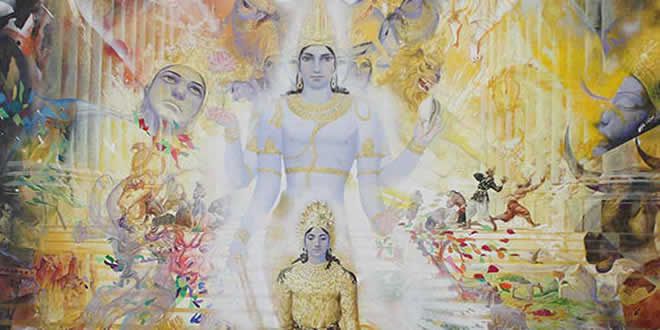
This chapter reveals the most secret and sacred knowledge of the divine. Krishna explains that the knowledge of His true nature is the most powerful, and it leads to the realization of divine truth and liberation.
Key Teachings
- The supremacy of devotion over knowledge and action
- The secret of the universe hidden in the supreme knowledge
- The path of surrender to the divine for liberation
Vibhuti Yoga

In this chapter, Krishna describes His divine manifestations in the world. He reveals that all beings and objects are a reflection of His divine power and that everything in the universe is a manifestation of His supreme energy.
Key Teachings
- Understanding the divine manifestations in the world
- Seeing the divine presence in all aspects of life
- How devotion to Krishna leads to realizing the unity of all creation
Vishvarupa Darshana Yoga

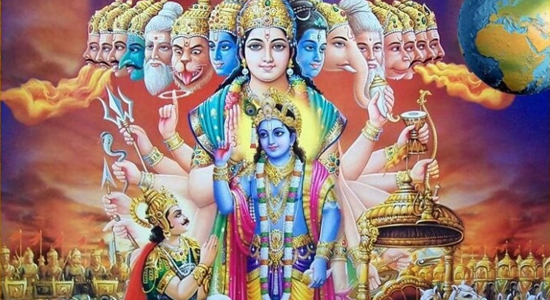
Krishna reveals His universal form to Arjuna, showing the infinite nature of His existence. Arjuna sees the vastness of the divine, encompassing all creation, and gains a deeper understanding of the cosmic order.
Key Teachings
- The infinite nature of the divine
- The realization of the oneness of all existence
- The power of divine vision and spiritual awakening
Bhakti Yoga

Krishna explains the path of Bhakti, or devotion, as the most direct way to achieve liberation. Devotees who surrender themselves completely to God are assured of His grace and protection.
Key Teachings
- The power of surrender and devotion to God
- The qualities of a true devotee
- The benefits of practicing Bhakti Yoga
Kshetra Kshetragna Vibhaga Yoga

Krishna explains the difference between the physical body (Kshetra) and the soul (Kshetragna). He also teaches that realizing the difference between the two leads to spiritual wisdom and liberation.
Key Teachings
- The difference between the body and the soul
- The role of the body as a vessel for the soul
- The nature of spiritual knowledge
Gunatraya Vibhaga Yoga
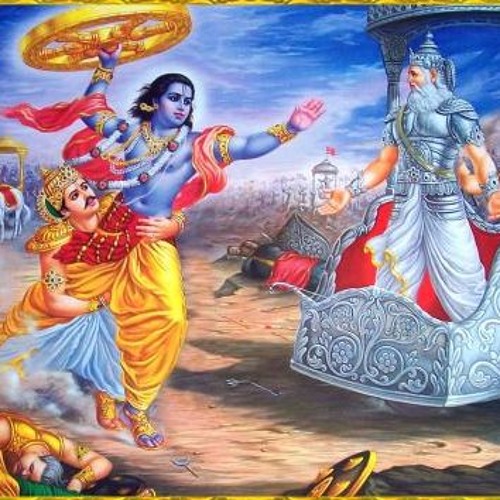
Krishna explains the three Gunas (qualities) of nature—Sattva, Rajas, and Tamas—and how they influence human behavior. He teaches that by transcending these qualities, one can reach a higher spiritual state.
Key Teachings
- The influence of the three Gunas on human nature
- The path to transcending the Gunas
- The importance of self-awareness and detachment
Purushottama Yoga
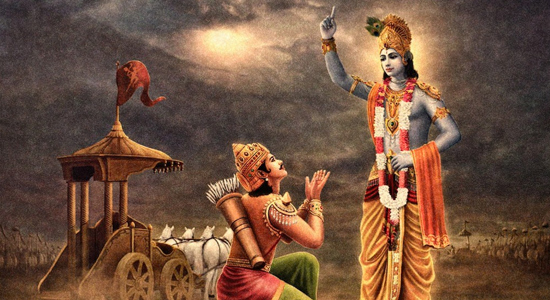
Krishna explains the nature of the supreme person (Purushottama), the eternal divine essence that is the source of all creation and the ultimate destination of every soul.
Key Teachings
- The nature of the supreme divine personality
- The process of spiritual evolution and liberation
- The importance of surrendering to the Supreme
Daivasura Sampad Vibhaga Yoga
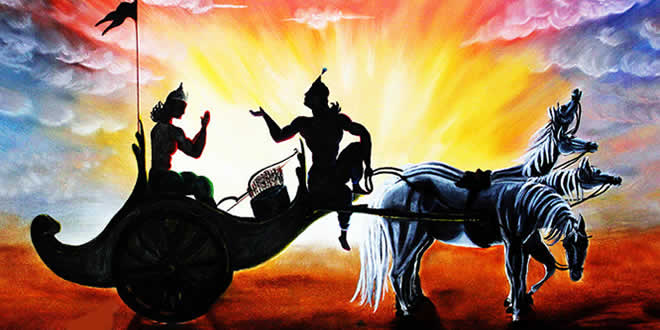
Krishna discusses the qualities of the divine (Daivi) and demonic (Asuri) natures. He explains that those with divine qualities progress toward liberation, while those with demonic qualities remain in the cycle of birth and death.
Key Teachings
- The difference between divine and demonic natures
- The qualities that lead to spiritual evolution or downfall
- The importance of cultivating divine qualities
Shraddhatraya Vibhaga Yoga
In this chapter, Krishna describes three types of faith according to the nature of individuals: the faith of the sattvic, rajasic, and tamasic person. He emphasizes that faith is essential for spiritual development, and it must be directed toward the divine for spiritual progress.
Key Teachings
- The different types of faith based on the three Gunas
- The role of faith in determining one's spiritual progress
- The importance of having pure and divine faith
Moksha Sanyasa Yoga

In the final chapter, Krishna summarizes the teachings of the Gita, emphasizing renunciation, surrender to the divine, and the importance of doing one's duty without attachment. He assures Arjuna that by following the path of selfless action, devotion, and wisdom, one can attain liberation (Moksha).
Key Teachings
- The final surrender to the divine will
- The importance of renunciation of desires and ego
- The path to liberation through devotion, knowledge, and selfless action